Music Notes: A Creative Tool for Designers and Musicians
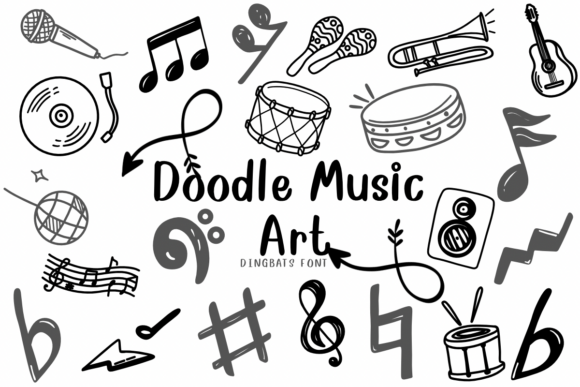
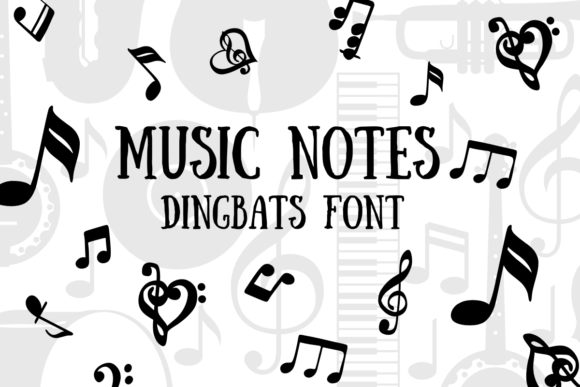
Whether you're a designer, musician, educator, or content creator, Music Notes offers a unique way to enhance your work with visual musical elements. This special type of font, known as a dingbat font, replaces standard letters and numbers with images of musical symbols and notes. Instead of typing "A" or "B," you might see a treble clef, a quarter note, or a sharp symbol. It's a powerful tool for adding visual flair and musical context to your projects.
What Are Music Notes?
Music Notes is a specialized font that uses graphical symbols rather than traditional characters. These fonts are often used in design, publishing, and digital media to incorporate musical elements without the need for separate image files. Each character in the font represents a different musical symbol, such as a staff line, a rest, or a dynamic marking. This makes it easy to add musical imagery directly into text-based documents, websites, or social media posts.
Unlike regular fonts, which focus on readability and typography, Music Notes prioritizes visual representation. This means that while it may not be suitable for body text, it shines when used for headers, logos, icons, or decorative elements. Its versatility allows users to express musical ideas in a more engaging and visually appealing way.
Key Features of Music Notes
- Visual Representation: Each character is a musical symbol, making it ideal for visual storytelling and artistic expression.
- Customization: Many Music Notes fonts allow users to adjust size, color, and spacing to fit their design needs.
- Compatibility: Most Music Notes fonts work across different platforms and software, including word processors, graphic design tools, and web applications.
- Accessibility: For those who are visually impaired, some versions of Music Notes include alternative text descriptions for better accessibility.
Practical Applications of Music Notes
Music Notes has a wide range of applications across different industries and use cases. Here are some examples of how it can be used effectively:
- Education: Teachers and educators can use Music Notes to create interactive worksheets, flashcards, or lesson plans that visually reinforce music theory concepts.
- Marketing: Businesses in the music industry, such as record labels, instrument stores, or music schools, can use Music Notes to design eye-catching promotional materials.
- Content Creation: Bloggers, YouTubers, and social media influencers can incorporate Music Notes into their visuals to make their content more engaging and relevant to their audience.
- Web Design: Web developers and designers can use Music Notes to add subtle musical elements to websites, enhancing user experience and brand identity.
- Personal Projects: Hobbyists and creative individuals can use Music Notes to add a personal touch to greeting cards, invitations, or DIY crafts.
Benefits of Using Music Notes
There are several advantages to using Music Notes in your projects. One of the main benefits is its ability to improve visual communication. By incorporating musical symbols directly into text, you can convey complex ideas more efficiently. For example, instead of writing out "sharp" or "flat," you can simply use the corresponding symbol.
Another advantage is its efficiency. Rather than searching for and inserting individual images, you can type musical symbols directly into your document. This saves time and ensures consistency in your design. Additionally, Music Notes can help with branding by creating a unique visual identity that reflects your musical theme or message.
How to Choose the Right Music Notes Font
Not all Music Notes fonts are created equal. When selecting a font, consider the following factors:
- Quality: Look for high-resolution, well-designed fonts that produce clear and accurate symbols.
- Style: Choose a font that matches the aesthetic of your project. Some fonts have a classic, traditional look, while others are more modern or stylized.
- Functionality: Ensure the font is compatible with your software and operating system. Some fonts may require specific programs or plugins to work properly.
- License: Check the licensing terms to make sure you're allowed to use the font for your intended purpose, especially if it's for commercial use.
Best Practices for Using Music Notes
To get the most out of Music Notes, follow these tips:
- Use Sparingly: While Music Notes can be visually appealing, overusing it can make your design look cluttered or confusing.
- Combine with Text: Pair musical symbols with descriptive text to ensure clarity and avoid ambiguity.
- Test Different Sizes: Experiment with different font sizes to find the right balance between visibility and aesthetics.
- Consider Accessibility: Make sure your design is accessible to all users, including those who rely on screen readers or other assistive technologies.
Real-World Examples of Music Notes in Action
Many professionals and creators have successfully integrated Music Notes into their work. Here are a few examples:
- Music Education Websites: Online learning platforms use Music Notes to illustrate concepts like rhythm, melody, and harmony.
- Album Art and Merchandise: Artists and designers use Music Notes to create unique album covers, T-shirts, and posters that reflect their musical style.
- Event Promotions: Concert venues and music festivals use Music Notes in their promotional materials to attract attention and build excitement.
- Typography Projects: Type designers and artists experiment with Music Notes to create innovative and expressive typographic compositions.