Cowboy Boots Font: A Western Twist on Typography
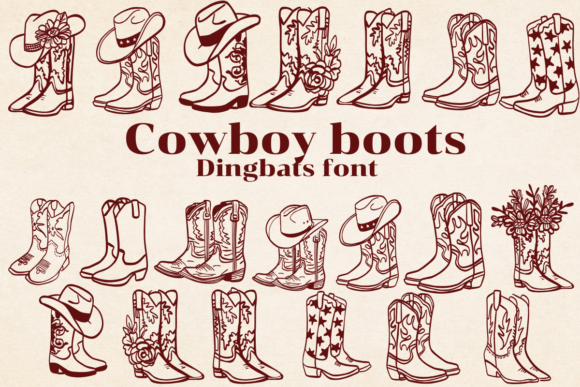
When it comes to adding a unique touch to your design work, the Cowboy Boots font stands out as a playful and distinctive choice. This creative typeface transforms each letter into a stylized representation of a cowboy boot, offering a visual identity that’s both fun and functional. Whether you're designing for a western-themed event, a brand with a rustic vibe, or simply looking to add some personality to your project, Cowboy Boots brings a fresh perspective to typography.
The font’s design is rooted in simplicity yet carries a strong sense of character. Each letter is crafted with rounded edges and subtle curves that mimic the shape of a boot. The overall aesthetic leans into a casual, laid-back feel, making it ideal for projects that aim to evoke a sense of nostalgia or adventure. While it’s not a traditional serif or sans serif font, its structure allows it to work well in both digital and print formats, providing flexibility across different mediums.
Where Cowboy Boots Shines in Design
Cowboy Boots is particularly effective in branding and marketing materials that embrace a western theme. From logos to packaging, this font can help establish a clear visual identity that resonates with target audiences. For instance, a boutique selling handmade leather goods might use Cowboy Boots to reinforce the brand’s connection to craftsmanship and tradition.
In editorial design, the font can be used for headings or subheadings in magazines, blogs, or newsletters focused on travel, lifestyle, or cultural topics. Its bold and recognizable style makes it a great choice for eye-catching titles that stand out without overwhelming the reader. Similarly, in web design, Cowboy Boots can be used for call-to-action buttons, banners, or section headers to create a memorable user experience.
For social media graphics, the font adds a fun and engaging element that can help capture attention. Whether it's a promotional post for a rodeo event or a holiday sale, using Cowboy Boots can give your content a more personalized and authentic feel. It also works well in personal projects, such as custom invitations, greeting cards, or DIY crafts, where a touch of whimsy is appreciated.
Understanding the Impact of Cowboy Boots on Branding
Typography plays a crucial role in shaping how a brand is perceived. The right font can enhance readability, reinforce brand messaging, and create a lasting impression. When using Cowboy Boots, it's important to consider how it contributes to the overall tone and image of your project.
This font is best suited for brands that want to convey a sense of fun, creativity, or nostalgia. However, it may not be the best choice for professional or formal settings where clarity and subtlety are key. In such cases, pairing Cowboy Boots with a more traditional font can help balance the design while maintaining visual interest.
When integrating Cowboy Boots into your design, focus on maintaining a clear visual hierarchy. Use it for headlines or key messages rather than body text to ensure that the content remains easy to read. Additionally, test the font in different sizes and contexts to see how it performs in various applications. This will help you determine the most effective way to use it without compromising legibility.
Choosing the Right Font for Your Project
Selecting the appropriate font involves more than just aesthetics—it’s about functionality and fit. Before using Cowboy Boots, ask yourself whether it aligns with the goals and values of your project. If your audience is familiar with western culture or if the theme of your work includes elements of the American frontier, this font can be a powerful tool.
Evaluate the font’s versatility by checking the available styles. Some versions of Cowboy Boots may include multiple weights or variations, which can expand your design options. If the font is part of a larger type family, consider how it pairs with other fonts to create a cohesive look. For example, combining it with a clean sans serif can provide contrast and improve readability.
Readability is another key factor to consider. While Cowboy Boots has a strong visual presence, it may not be suitable for long blocks of text. Instead, use it strategically to highlight important information or add a unique flair to your design. Always test the font in real-world scenarios, such as on websites, mobile devices, or printed materials, to ensure it performs as expected.
Finally, review the licensing terms if you plan to use Cowboy Boots commercially. Make sure you have the proper rights to use the font in your project, especially if it will be distributed widely or used for profit. Many premium fonts come with specific usage guidelines, so it’s essential to understand these before proceeding.
Practical Tips for Using Cowboy Boots Effectively
To get the most out of Cowboy Boots, start by experimenting with different design elements. Try using it in combination with other fonts to see how it interacts with your overall layout. For instance, pair it with a modern sans serif for a contemporary twist or with a classic serif for a more traditional feel.
Consider the context in which the font will be used. If you’re creating a logo, make sure the font complements the imagery and color scheme of your brand. For packaging design, ensure that the font is visible and readable from a distance, especially if it will be displayed on store shelves.
When working on digital projects, check how Cowboy Boots renders on different screens and browsers. Some fonts may appear differently depending on the device or platform, so it’s wise to preview the design in multiple environments. For print projects, request a sample to see how the font looks in physical form before finalizing your design.
Lastly, don’t hesitate to seek feedback from others. Show your designs to colleagues, clients, or potential users to gauge their reactions. Their insights can help you refine your approach and ensure that Cowboy Boots enhances, rather than detracts from, your overall message.